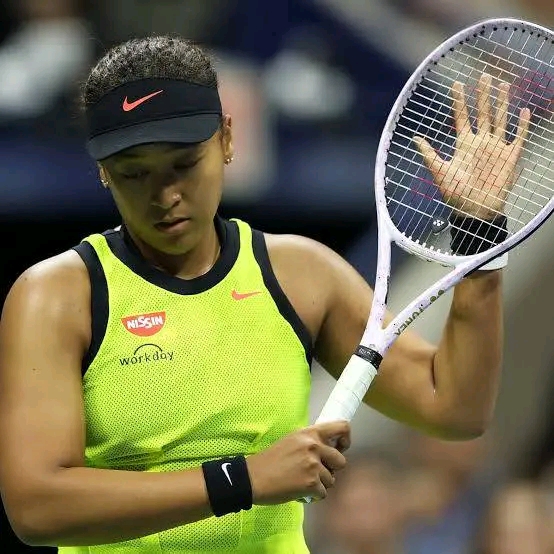
Four-time Grand Slam champion Naomi Osaka has once again ignited a global conversation—this time, not with her powerful serve, but with her recent controversial remarks on mental health that have divided fans, fellow athletes, and mental health advocates alike.
In a candid interview released over the weekend, Osaka stated, *”We’ve created a culture where any discomfort is instantly labeled a mental health crisis. That’s not always helpful—sometimes we need to face pressure, not avoid it.”* Her comments, meant to encourage resilience, were interpreted by some as dismissive toward those struggling with legitimate mental health issues.
Social media platforms quickly lit up with polarized reactions. Supporters applauded Osaka for promoting mental toughness and challenging what they see as a growing culture of avoidance. Critics, however, accused her of undermining the seriousness of mental health struggles—especially ironic given her own widely publicized withdrawal from the 2021 French Open citing anxiety and depression.
Mental health professionals weighed in, with some echoing her concerns about over-pathologizing stress, while others emphasized the importance of validation and support for those suffering. “There’s a delicate balance between resilience and recognition,” said Dr. Lena Moore, a clinical psychologist based in New York. “Osaka’s message is worth discussing, but it must be handled with care.”
As the debate rages on, Osaka has yet to issue a formal clarification. Whether she doubles down or seeks to clarify her intent, one thing is clear: the intersection of sports, mental health, and public opinion remains as charged as ever.