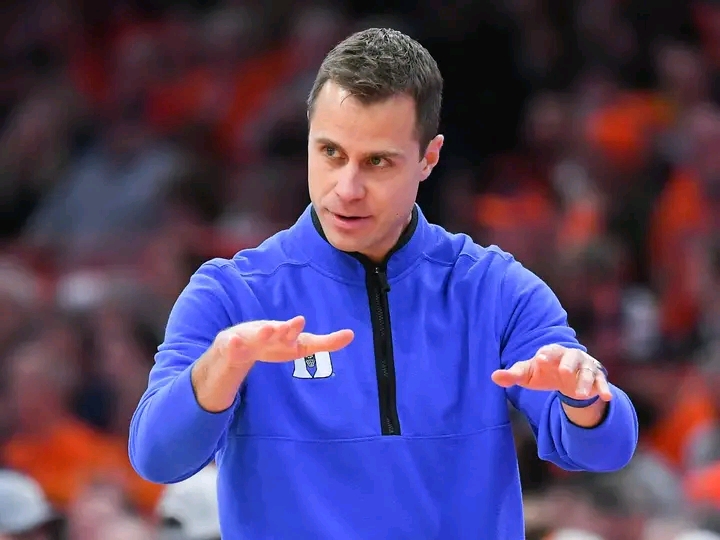
Duke Blue Devils head coach, Jon Scheyer, has found himself at the center of controversy following recent comments about the state of basketball culture. In an interview that aired earlier this week, Scheyer expressed strong opinions on how the evolving landscape of the sport—both in college basketball and at the professional level—has altered the way players approach the game, and not everyone is happy with his take.
Speaking candidly, Scheyer critiqued the increasing influence of “individual branding” and “social media dominance” in the game, claiming it has detracted from the team-oriented mentality that he believes should be at the heart of basketball. “Basketball used to be about playing for the team, for the community. Now, too often, it’s about personal followers, endorsements, and the ‘me-first’ mentality,” Scheyer said. “That’s not the culture we want to promote at Duke.”
While Scheyer’s comments have resonated with some, particularly long-time fans of college basketball who share his belief in the importance of teamwork, his words have also sparked backlash. Critics argue that his stance fails to recognize the modern realities of college athletics, where players are now able to capitalize on their name, image, and likeness (NIL) through sponsorships and personal branding.
“I get where he’s coming from, but the game has changed,” said one sports analyst. “Players are more than just athletes now; they are brands. They’re looking out for their futures beyond just the court, and there’s no shame in that.”
Former players, including some from Scheyer’s own roster, have also voiced differing opinions on the issue. While some current and former Blue Devils players support the coach’s view on maintaining team-first values, others feel his comments dismiss the personal autonomy that today’s athletes are embracing.
The controversy intensified when Scheyer seemed to take a subtle jab at the NBA’s culture, mentioning that college basketball’s role in developing well-rounded, disciplined players is becoming more challenging as professional leagues focus on fast-track career development.
“At the end of the day, it’s about teaching young men how to be leaders both on and off the court,” Scheyer continued. “But if we let personal brand-building overshadow that, then we are missing the point of sports altogether.”
Duke fans remain divided—some hail Scheyer’s vision as a return to the roots of basketball, while others view it as a failure to adapt to the rapidly changing dynamics of the sport. His comments have ignited a larger conversation about the future of college basketball, with many wondering if the era of athlete empowerment will clash with traditional coaching philosophies in the years to come.
As the debate continues, one thing is certain: Jon Scheyer’s comments have added fuel to the ongoing discussion about what basketball’s culture should look like in the age of social media, NIL deals, and a shifting professional landscape.