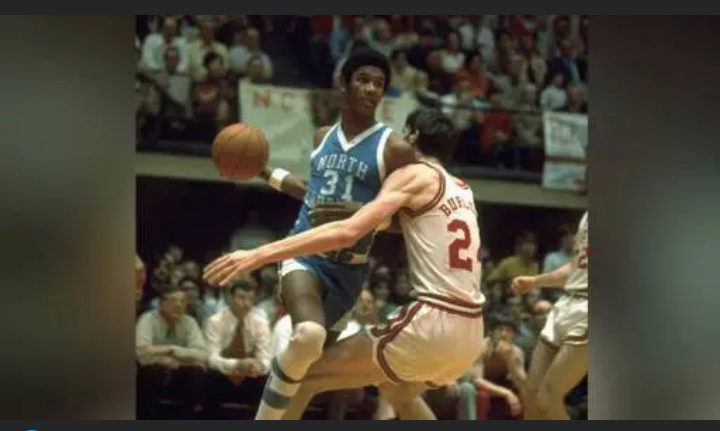
The University of North Carolina community is mourning the passing of Bill Chamberlain, a pioneering figure in Tar Heel basketball history and the second Black player ever to suit up for the men’s program. Chamberlain died earlier this week at the age of 75.
Chamberlain’s impact at UNC stretched beyond the box scores and into the realm of social progress. Joining the team in the late 1960s, he followed in the footsteps of Charlie Scott, the program’s first Black scholarship athlete. Chamberlain not only carried the torch of integration during a volatile era in American history, but also helped redefine what it meant to be a Tar Heel—both on and off the court.
“Bill was more than a great player—he was a pioneer, a leader, and a man of immense character,” said UNC Athletic Director Bubba Cunningham. “His courage to walk through the doors that Charlie Scott opened helped pave the way for generations of Black athletes at Carolina.”
Born in Brooklyn, New York, Chamberlain arrived at UNC in 1968. A versatile forward known for his athleticism and quiet determination, he played under legendary coach **Dean Smith**, who was himself a staunch advocate for racial equality. Chamberlain averaged double digits in scoring during his collegiate career and played a key role in UNC’s deep NCAA Tournament runs in the early ’70s.
Following his time in Chapel Hill, Chamberlain went on to play professionally in the ABA with the Memphis Tams and Kentucky Colonels before moving on to a career outside basketball.
Though his name is less often cited than some of the program’s flashier stars, Chamberlain’s legacy resonates deeply with those who understand UNC’s cultural and athletic evolution.
“Bill’s contribution can’t be measured in stats or banners,” said former UNC teammate George Karl. “He was a trailblazer who had to navigate challenges many of us never faced—and he did it with grace.”
In recent years, Chamberlain had remained connected to the UNC community, attending alumni events and speaking about his experience as one of the early Black athletes at a predominantly white Southern university.
He is survived by his wife, two children, and four grandchildren.
Plans for a memorial service have not yet been announced.