The 13 Intriguing Details About Rebel Without a Cause Are Here👇👇
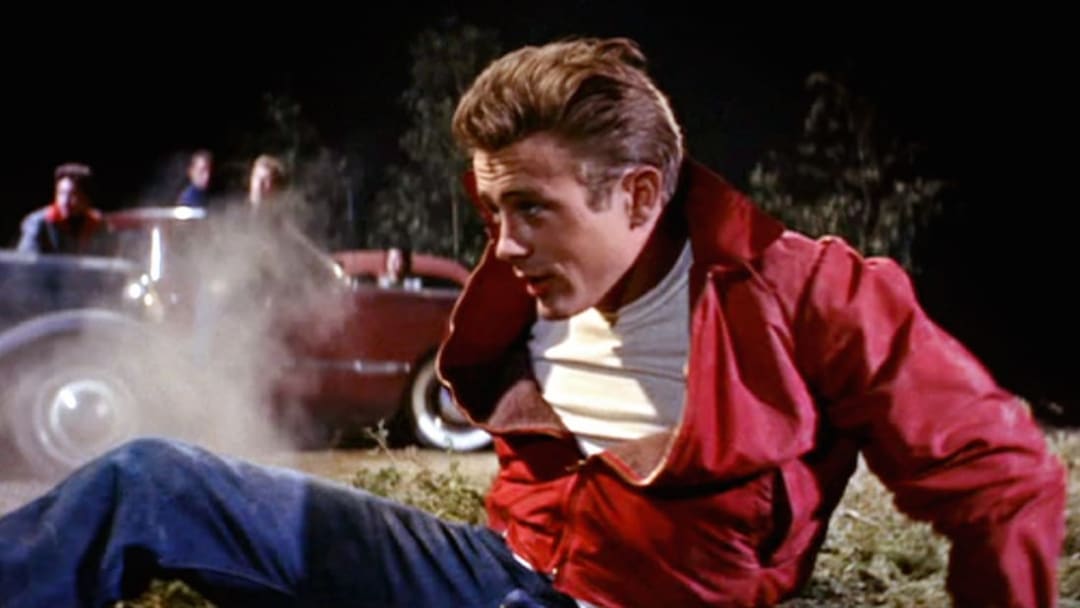
Director Nicholas Ray envisioned a 1955 juvenile delinquent movie that was unlike any other in the category. He envisioned a Romeo and Juliet-style story about wealthy youngsters who couldn’t relate to their parents’ lives and were searching for a way to vent their frustration and rage, as opposed to concentrating on impoverished children from inner cities. In order to realize this idea, he sought advice from professionals, insisted on realism at all costs, and enlisted the help of James Dean, a budding young actor.
Rebel Without a Cause, driven by Dean’s powerful performance and Ray’s audacious direction, continues to be the classic movie about juvenile offenders more than sixty years after it was released. The film’s mystique is further enhanced by the young star’s untimely death, which occurred just weeks before the movie’s premiere. The film’s creation turned it into a timeless masterpiece, but Dean’s passing made it a must-see. So, here are 13 facts regarding the production of this iconic movie, ranging from actual fights between cast members to incredibly sharp switchblades.
The origins of Rebel Without a Cause may really be traced back to a book by Dr. Robert Lindner published almost ten years before the film’s 1955 release in theaters. The book, which was published in 1944, was a case study of a young man named Harold who was a prisoner at the Pennsylvanian Lewisburg Federal Penitentiary at the time. Warner Bros. bought the rights to the novel in early 1946, seeing the story’s current appeal. It went through multiple authors (more on that a little later) before becoming inactive. Subsequently, black and white movies depicting disobedient teenagers became increasingly popular in the 1950s. Two such movies are The Wild One (1953) and The Blackboard Jungle (1955). After noticing this pattern, director Nicholas Ray developed an interest in
Ray presented his idea to Warner Bros. in 1954 in the form of a proposal titled The Blind Run. The company purchased the idea and eventually requested that Ray combine it with their already-owned Rebel Without a Cause book. In the end, Ray took a lot of creative license with the narrative and diverged from other popular delinquent movies of the day, which focused only on young offenders from low-income backgrounds. Ray intended to highlight the dissatisfaction and rage that even teenagers from stable, seemingly affluent homes experience. The creation of Rebel Without a Cause got underway with that objective in mind.
Rebel Without a Cause went through Warner Bros.’ production process in the years before Ray joined with his own concept for The Blind Run, during which time a number of writers attempted to turn Lindner’s nonfiction book into a workable screenplay. Jacques Le Mareschal wrote a treatment shortly after Warner Bros. acquired the rights to Lindner’s book, and throughout the ensuing years, writers Peter Viertel, H.L. Fishel, and Lindner himself attempted to compose a film. Theodor Seuss Geisel, well known as Dr. Seuss, is listed as the author of the first draft in the Warner Bros. script archive, which is the most notable name to come out of these early stages of the writing process.