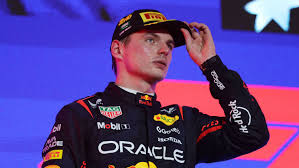
Max Verstappen, Formula 1’s reigning champion, has made a bold and controversial move that could forever alter the landscape of the sport. Known for his aggressive driving and willingness to push the limits of both his car and his competition, Verstappen has recently hinted at plans that have F1 fans and insiders buzzing—plans that may challenge the very foundations of Formula 1 racing.
In a shocking interview after his dominant win at the Spanish Grand Prix, Verstappen revealed that he had been in discussions with Red Bull Racing about implementing a radical shift in the way Formula 1 teams approach race strategies and car designs. The move, which Verstappen claims could “make racing more exciting and fair,” centers around the idea of reversing some of the sport’s most traditional aspects, including the dominance of the “top teams” and the structure of team rivalries.
The Radical Proposal:
According to Verstappen, his proposal would involve changes to F1’s technical regulations, including potential limitations on the amount of money top teams can spend on car development and a shift towards equalizing performance across teams. “Right now, the system is too top-heavy. We have teams like Red Bull and Mercedes dominating, and it’s not as exciting for fans when the outcome feels predictable,” Verstappen said. “We need to make the sport more accessible for all teams and give smaller teams a fighting chance.”
The idea of capping development budgets, which would ensure that teams like Ferrari, Red Bull, and Mercedes don’t have a clear advantage in terms of technological innovation, is particularly controversial. Verstappen suggests that this would level the playing field and promote closer, more competitive racing.
“If we level the playing field in terms of performance, we can see more teams fighting for podiums, and that’s what the fans want,” he explained. “Imagine a situation where every team has the same opportunity to develop their car and race on equal terms. That’s where the real competition happens.”
Industry Reaction:
The backlash to Verstappen’s suggestion has been swift. Many in the F1 paddock, including team principals and former drivers, have criticized the idea, arguing that it could undermine the essence of Formula 1: innovation and the pursuit of excellence. Christian Horner, Red Bull Racing’s team principal and Verstappen’s biggest supporter, has been more diplomatic but expressed concerns about the long-term consequences.
“I understand Max’s desire for fairness, but F1 has always been about pushing the boundaries of technology. It’s what makes the sport unique,” Horner said. “While we’re all for equalizing performance to a degree, the idea of restricting innovation could diminish the sport’s appeal. Formula 1 is a battle of brains as much as it is a battle of speed.”
Mercedes’ Toto Wolff echoed similar concerns. “Formula 1 is a sport driven by innovation, and the teams that invest the most in their research and development should be rewarded for that. We need to encourage progress, not stifle it,” Wolff stated. “Max’s comments, while well-intentioned, could have serious consequences for the future of F1.”
The Fans Weigh In:
While many industry professionals have raised their concerns, Verstappen’s idea has been met with support from a significant portion of F1’s fanbase. Many fans are disillusioned with the dominance of a few teams in recent seasons and believe that Verstappen’s proposal could bring about a more thrilling, unpredictable sport.
“If this happens, F1 could become a lot more exciting,” one fan tweeted. “Right now, we know who’s going to win most races. Making things more competitive could help small teams like McLaren and Aston Martin rise up and make the sport more unpredictable.”
Others, however, feel that Verstappen’s suggestion might be driven by his own desire to maintain dominance rather than level the playing field. “Isn’t Max just trying to make sure Red Bull stays on top by removing any chance of real competition?” one skeptic pointed out. “I’m all for fairness, but not if it just helps the current big players stay big.”
The Bigger Picture:
Max Verstappen’s proposal isn’t just about changing the sport’s technical regulations—it’s about changing the culture of Formula 1 itself. For decades, F1 has been a sport where the top teams are heavily rewarded for their investment in technology and development. Verstappen’s controversial idea challenges that norm and proposes a future where the gap between the top and bottom teams could be smaller.
This isn’t the first time Verstappen has sparked debate with his statements. His fierce approach to racing has often divided opinion, but there’s no denying that he’s a driver with a vision for the future of the sport. Whether this latest move is truly about improving the sport or simply about ensuring his own continued success remains to be seen.
What’s Next for F1?
As the F1 world grapples with Verstappen’s bold suggestion, one thing is clear: the sport is at a crossroads. Whether Verstappen’s controversial proposal becomes a reality or fades into the background, it has already ignited a crucial conversation about the future of racing.
Will Formula 1 embrace the change that Verstappen is advocating for, or will the sport continue to follow the traditional path of technological innovation and team superiority? As the sport looks ahead, Verstappen’s move could either spark a new era or remain an ambitious but unrealized dream.
The future of F1 may be more uncertain than ever—but one thing is for sure: Max Verstappen is not afraid to challenge the status quo.