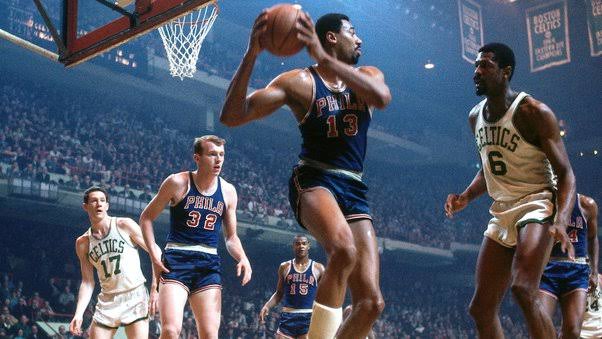
Given that he competed in a league with mostly short white men, why is Wilt Chamberlain so highly regarded?
The date was April 4, 1968. One of the most eagerly awaited playoff series in NBA history, Game 1 of the 1968 Eastern Division Finals was scheduled to take place in Philadelphia in less than twenty-four hours. In the same stage the previous year, Wilt Chamberlain overcame Bill Russell for the first time and advanced to the NBA Finals, where he ultimately secured his first championship and put a stop to Boston’s seven-game winning streak. The NBA’s top team, the Boston Celtics, was itching to get back at their former position.
Dr. Martin Luther King Jr. was standing on the balcony of his second-story Lorraine Motel room just outside of Memphis, Tennessee, which is located little over 1,600 kilometers to the southwest. The famous civil rights activist was headed to supper when the bullet hit him. He was in the city to support a sanitation workers’ strike. Dr. King, who was only 39 years old, was later declared deceased upon his arrival at a hospital in Memphis.
The word about his passing quickly spread. Radios all around the nation started reporting on his assassination at a time that far outlasted the internet and social media, with television and print media following closely behind. Following the catastrophe, riots and protests broke out in over 100 American cities, with some of them continuing for more than a full year.
Russell’s thoughts were anything but basketball on the eve of his umpteenth meeting with his fiercest opponent. What purpose did athletics serve right now?
Russell took a short trip with his teammates the next morning to play Game 1 of their series at The Spectrum, where the Philadelphia Flyers had hosted the St. Louis Blues in Game 1 of their NHL playoff series the day before, the day of Dr. King’s assassination. The Celtics voted before they left to see if they would play that evening. Even with their star’s misgivings, Boston went ahead. When Russell arrived in Philadelphia, five hours before tip-off, he told the press that Dr. King’s death was all he could think about.
To say that the situation was delicate and precarious would be an understatement, given how the turmoil and violence that followed the events in Memphis heightened the racial tensions that are firmly ingrained in much of society. Every journey to the South, where venues, hotels, and restaurants “welcomed” African-American players as second-class citizens, made it clear that racism in sports and the NBA never stopped.