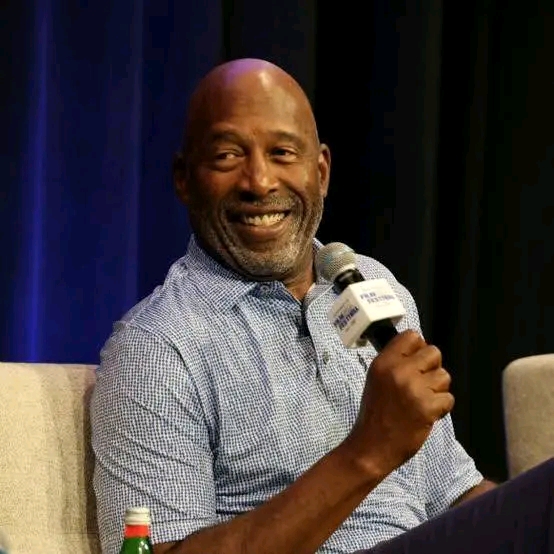
In an era where athlete headlines are often dominated by luxury purchases, brand deals, and contract disputes, NBA Hall of Famer and UNC basketball legend James Worthy has stunned the sports world — not with a play, but with a profound act of generosity.
Worthy, 64, announced that he has donated his entire \$5.5 million performance bonus from a recent broadcasting and consulting deal to charities focused on homeless relief, youth empowerment, and community development. He notably chose to give every cent of the bonus excluding his regular salary and endorsements, stating that “impact means more than income.”
“This isn’t about the money,” Worthy said in a press release. “This is about the people who need it more than I ever will. I’ve been blessed, and I want to be a blessing — especially to those forgotten in today’s system.”
The announcement has drawn widespread praise from fans, fellow athletes, and humanitarians — but also sparked a wave of controversy and comparison across the sports world. While some are hailing Worthy as a modern-day icon of giving, others have questioned why more high-earning athletes don’t follow suit.
Social media exploded with commentary, many contrasting Worthy’s selfless act with the growing number of stars demanding max contracts and flaunting extravagant lifestyles. One viral tweet read: “James Worthy gave away \$5.5M while current players argue over shoe deals. A real one.”
Former teammate and Lakers great Magic Johnson applauded the move: “Big Game James has always been about heart. This is just another example of his character off the court matching his greatness on it.”
The funds will be distributed across several nonprofit organizations, including Homes First LA, Feed the Streets, and The Worthy Foundation, which provides scholarships and mental health support for at-risk youth.
Worthy’s decision has not only sparked a conversation about wealth and responsibility in professional sports but also cast a powerful spotlight on what leadership and legacy truly mean.
As the debate continues around athletes’ roles beyond the game, one thing is clear: James Worthy didn’t just make a donation — he made a statement.