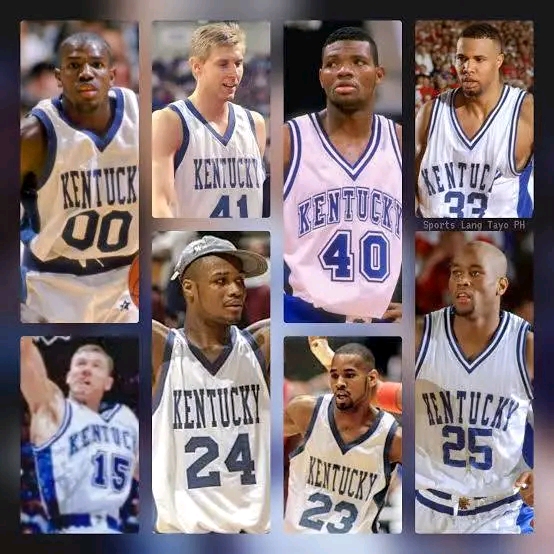
Nearly three decades later, the 1996 Kentucky Wildcats are still considered one of the most dominant teams in college basketball history. But with greatness comes scrutiny—and the question now being whispered louder than ever: *Did they cheat the system?*
With six future NBA players, including Antoine Walker, Tony Delk, and Derek Anderson, and Hall of Fame coach Rick Pitino at the helm, the Wildcats didn’t just win—they annihilated. They steamrolled through the season with a 34-2 record and captured the NCAA title with a mix of talent, swagger, and depth that college basketball hadn’t seen in years.
But their overwhelming dominance sparked rumors both then and now. How did one program stockpile so much NBA-level talent in a single class? Was it elite recruiting, or was something else going on behind the scenes?
“Too Good to Be Fair?”
Critics, especially rival fans and former NCAA insiders, point to the sheer concentration of star power as suspicious. “It was a different era,” said one anonymous former assistant coach from the SEC. “But even back then, people were asking how this was possible under NCAA scholarship limits.”
Kentucky’s recruiting classes in the early ’90s were filled with blue-chip prospects, and by ’96, the bench was so deep that future pros were often coming off it. Some have speculated about improper benefits or recruiting violations—though no major infractions were ever officially recorded against the program for that season.
A Legacy or a Loophole?
Coach Rick Pitino has consistently maintained that the program followed NCAA rules strictly, attributing their success to a relentless work ethic and innovative playing style. “We recruited hard, we developed players harder, and we played faster than anyone else,” Pitino once said in an interview. “That team earned everything it got.”
Still, whispers persist. In the post-Fab Five era, the NCAA was cracking down on improper benefits and boosters, and the spotlight on elite programs was intense. Some argue that Kentucky’s 1996 roster would’ve faced much more scrutiny if it existed today under modern NIL and transfer portal rules.
The Verdict?
To this day, there’s no hard evidence linking the ’96 Wildcats to any rule-breaking. But as time passes and new generations look back at that era, questions linger. Was it a perfect storm of talent and coaching—or a sign that the system was already being gamed long before NIL deals and transfer waivers?
Whether you believe the 1996 Wildcats were a model of excellence or a superteam that bent the rules, one thing is clear: they didn’t just beat teams—they broke spirits. And in doing so, they left behind a legacy as awe-inspiring as it is controversial.